Are There Really 8K Streams for IPTV? Debunking the Hype
Posted on by Tech Insights
Introduction
The IPTV industry is constantly evolving, with providers pushing boundaries to deliver the best possible viewing experience. Lately, a lot of buzz has surrounded the claim of “8K streams” in IPTV services. But is this cutting-edge technology truly available in the IPTV realm, or is it more hype than reality?
What is 8K Streaming?
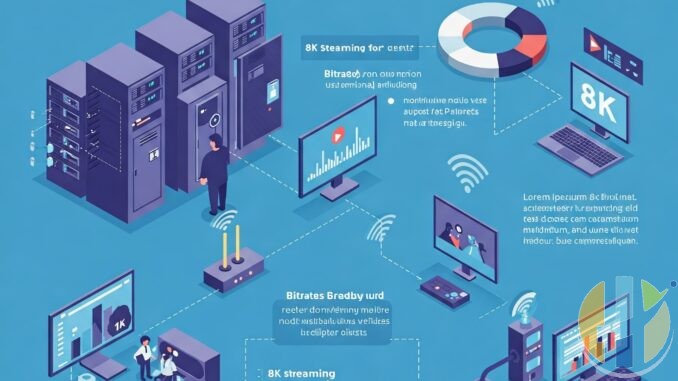
8K refers to a resolution of 7680 x 4320 pixels – a significant leap from 4K (3840 x 2160). In theory, 8K delivers an astonishing level of detail and clarity, offering a viewing experience that can rival real-life visuals. However, achieving native 8K streaming requires a robust infrastructure, substantial bandwidth, and true 8K content production.
- Resolution: 7680 x 4320 pixels provides over 33 million pixels on screen.
- Clarity: Enhanced detail that is especially noticeable on large displays.
- Bandwidth: Requires significantly higher internet speeds compared to 4K streaming.
The Reality of 8K IPTV Streams

In the world of IPTV, many providers have started touting “8K streams” as a way to stand out in an increasingly competitive market. Yet, the reality is more complex:
- Content Availability: True native 8K content is still extremely rare. Most channels labeled as 8K are actually upscaled from lower resolutions.
- Infrastructure Challenges: Streaming in 8K requires very high bandwidth – often 50 Mbps or more – along with advanced compression technologies to avoid buffering.
- Marketing Hype: The promise of 8K is a powerful marketing tool, but for most consumers, the difference between upscaled 8K and genuine 4K is minimal in everyday viewing scenarios.
Discussions on platforms such as Reddit and industry news outlets reveal mixed experiences; some users claim noticeable improvements in clarity, while others find that the “8K” label is more about brand prestige than actual quality enhancement.
Marketing Hype vs. Technological Reality
The debate over 8K IPTV streams boils down to two main points:
- Technological Potential: With advancements in display technologies and faster internet speeds, true 8K streaming could eventually become commonplace.
- Current Limitations: At present, much of the so-called “8K” IPTV content is either upscaled or produced in lower resolutions, with providers exaggerating capabilities to attract customers.
While 8K as a concept is very promising, it remains largely aspirational for IPTV services today. Users should be cautious and scrutinize the claims before upgrading or investing heavily in hardware solely based on the promise of native 8K content.
Challenges Facing 8K IPTV Adoption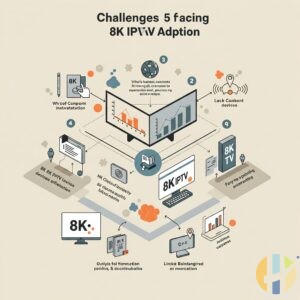
Several hurdles must be overcome before 8K IPTV can be considered a standard offering:
- Bandwidth Demands: Streaming 8K content requires much higher internet speeds than most households currently have.
- Content Production: The volume of native 8K content is limited, with most broadcasters still focused on 4K or lower resolutions.
- Cost: Upgrading to 8K-capable devices and infrastructure is expensive, making it a less viable option for the average consumer at this time.
Conclusion
So, are there really 8K streams for IPTV? In short, while the technology exists and some providers claim to offer it, true native 8K IPTV streaming is still more promise than practice. Many “8K” streams are simply upscaled versions of lower-resolution content, and the significant technical requirements mean that widespread 8K adoption is likely still years away. For now, consumers should weigh the benefits against the current limitations and not be swayed solely by marketing buzz.
Frequently Asked Questions
- Q: What does “8K streaming” really mean in IPTV?
- A: It refers to content delivered at a resolution of 7680 x 4320 pixels. However, many IPTV providers offer upscaled content rather than native 8K.
- Q: Do I need special equipment to view 8K content?
- A: Yes, you need an 8K-compatible display and a high-speed internet connection, typically 50 Mbps or higher.
- Q: Is upgrading to an 8K IPTV service worth it right now?
- A: For most users, investing in 4K streaming is more practical due to the limited availability of native 8K content and the high cost of 8K technology.