The Rise of Specialized IPTV Channels in 2025: Catering to Niche Audiences in the Streaming Era

The Evolution of Television Consumption
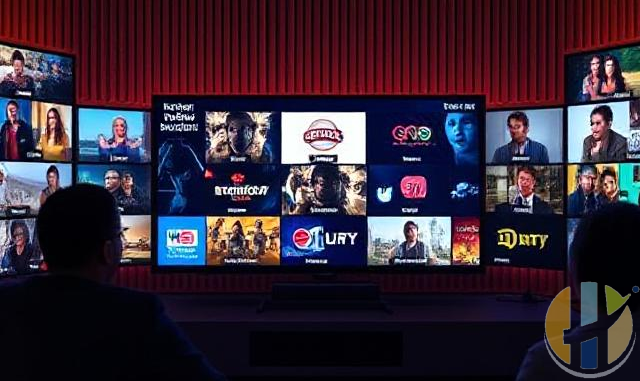
As we approach 2025, Internet Protocol Television (IPTV) has undergone a remarkable transformation. What began as a generalized streaming alternative to traditional cable has blossomed into a vibrant ecosystem of hyper-specialized content channels catering to every imaginable interest.
Why Specialization Wins in 2025
1. The Micro-Niche Revolution
Modern viewers are no longer satisfied with broad categories. Successful 2025 IPTV services offer channels dedicated to:
- Regional cooking (e.g., “Sichuan Pepper Masters”)
- Hyper-local news streams
- Obscure sports like underwater hockey
- AI-generated content channels
2. Advanced Audience Targeting
New AI-powered recommendation engines analyze:
- Viewing habits (precision to 15-second intervals)
- Social media interactions
- Even biometric responses via wearable integration

2025's Most Innovative Channels
| Channel | Niche Focus | Subscribers |
|---|---|---|
| RetroGaming+ | Pre-2000 video game culture | 2.3M |
| BioHack TV | DIY biology & grinder culture | 1.8M |
The Technology Behind the Trend
Key technical advancements enabling specialized IPTV:
- 5G-Advanced networks (10Gbps+ speeds)
- AV2 video compression (80% bandwidth reduction)
- Blockchain-based content licensing
Challenges and Considerations
While specialization offers benefits, industry analysts warn about:
- Content fragmentation risks
- Subscription fatigue (average user has 7.2 niche subs)
- Regulatory challenges in global content distribution
“2025's IPTV landscape isn't about channels – it's about communities. The most successful providers create immersive ecosystems around their content.”
– Streaming Industry Report 2025
The Future Beyond 2025
As neural interfaces and spatial computing mature, experts predict:
- Bio-responsive content streams
- Holographic niche channels
- Direct-to-cortex content delivery experiments