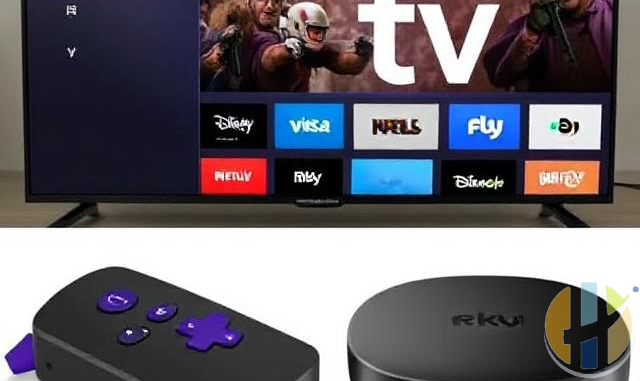
Why Roku is Not a Good Device for IPTV and How Apple TV Outshines It
Published on:
Limitations of Roku for IPTV
While Roku has earned a reputation as a reliable streaming device for many users, its design and ecosystem show significant shortcomings when it comes to IPTV. The most notable issue is Roku's closed environment, which restricts the installation of third-party IPTV apps. This limitation forces users to rely on officially approved channels that often lack the flexibility and advanced features necessary for a truly robust IPTV experience.
Moreover, Roku's hardware and software are optimized for general streaming rather than the high-performance demands of IPTV. This can result in issues such as buffering, lower resolution streaming, and compatibility challenges that degrade the overall viewing experience.
Advantages of Apple TV for IPTV
In contrast, Apple TV provides a more versatile and powerful platform for IPTV. Thanks to its open development environment and wide-ranging app support, users can easily install and run specialized IPTV applications that deliver superior performance and a richer set of features.
Apple TV's advanced tvOS, coupled with robust processing power, ensures smoother streaming, better handling of high-definition content, and enhanced multitasking capabilities. Its support for features like AirPlay further enriches the user experience, allowing seamless integration with other Apple devices.
Enhanced User Experience and Overall Performance
Beyond the technical specs, Apple TV places a strong emphasis on delivering a premium user experience. Regular software updates, an intuitive interface, and responsive customer support all contribute to a hassle-free environment for IPTV users. This focus on quality ensures that Apple TV remains ahead of Roku in terms of stability, speed, and overall performance.
For users seeking a device that not only streams content reliably but also provides a versatile platform for various IPTV applications, Apple TV stands out as the superior choice.